


Postgraduate Diploma in Respiratory Medicine
Validated by University of South Wales
Develop your knowledge of the assessment and management of respiratory conditions with our Postgraduate Diploma in Respiratory Medicine. Validated by the University of South Wales and accredited for CPD by the Federation of the Royal Colleges of Physicians of the UK, this 120-credit postgraduate programme provides comprehensive study across common and complex respiratory conditions, from respiratory symptoms and investigations to asthma, COPD, thoracic oncology, respiratory infections, and wider respiratory disease.
You’ll examine respiratory medicine across both primary and secondary care, developing your understanding of the evidence that informs assessment, investigation, treatment, and longer-term management. The programme covers a broad range of respiratory presentations and conditions while encouraging you to critically evaluate current evidence and consider its relevance within your own professional role.
This online Postgraduate Diploma in Respiratory Medicine is studied part-time over one year, allowing healthcare professionals to develop their postgraduate knowledge alongside their existing work. Through six 20-credit modules, you’ll build a systematic understanding of respiratory medicine and consider evidence-based approaches relevant to respiratory care across a range of professional settings.
Next Intake
March 2027
Apply By
March 2027
Commitment
Part time
Format
100% online
Duration
12 months
 Success

Thank you for registering interest in the PgDip in Respiratory Medicine
Register Interest
Complete the form below to keep in the loop
Success
Thank you for registering interest in the PgDip in Respiratory Medicine
What will you study on this Postgraduate Diploma in Respiratory Medicine?
The Postgraduate Diploma in Respiratory Medicine provides structured postgraduate study across the assessment, investigation, and management of respiratory disease. Across six 20-credit modules, you’ll build your knowledge from the foundations of respiratory anatomy, physiology, symptoms, and investigations through to common and more complex respiratory conditions encountered across primary and secondary care.
You’ll begin by examining the assessment of respiratory symptoms including breathlessness, wheeze, cough, and sputum production, alongside the investigations used to evaluate respiratory disease. This includes spirometry, lung function testing, chest X-rays, and other approaches to respiratory assessment. From there, you’ll develop your understanding across major areas of respiratory medicine including asthma and allergy, COPD, thoracic oncology and pleural disease, respiratory infections, and a range of wider respiratory conditions.
The programme considers both common and more complex respiratory disease. You’ll examine long-term respiratory conditions and their management alongside acute exacerbations and complications, while considering pharmacological and non-pharmacological approaches, rehabilitation, oxygen therapy, non-invasive ventilation, palliative care, and multidisciplinary management where relevant to the curriculum.
Evidence-based medicine runs throughout your studies. Weekly case-based discussions encourage you to investigate respiratory scenarios, find and critically evaluate relevant evidence, and discuss your findings with peers and tutors. This supports your ability to assess evidence critically and consider how it relates to respiratory care within your own professional role.
During the programme, you’ll study:
- Respiratory assessment and investigations – Develop your understanding of respiratory anatomy and physiology and the assessment of symptoms including breathlessness, wheeze, cough, and sputum production. You’ll examine investigations used in respiratory medicine, including spirometry, lung function testing, and chest X-rays.
- Asthma and allergy – Examine the assessment and management of asthma, including difficult asthma, alongside allergy and anaphylaxis. You’ll consider pharmacological and non-pharmacological management and the influence of associated conditions.
- Chronic obstructive pulmonary disease (COPD) – Develop your understanding of COPD, including assessment, pharmacological and non-pharmacological management, exacerbations, and associated conditions. The curriculum also considers smoking cessation, pulmonary rehabilitation, oxygen therapy, non-invasive ventilation, and palliative and end-of-life care.
- Thoracic oncology and pleural disease – Study lung cancer and thoracic oncology, including screening and red flags, lung nodules, diagnosis, staging, and management. You’ll also examine pleural conditions including pleural effusion, pneumothorax, and asbestos-related pleural disease, alongside relevant multidisciplinary and ethical considerations.
- Respiratory infections – Examine tuberculosis, pneumonia and other respiratory tract infections alongside bronchiectasis, cystic fibrosis, and infection in immunocompromised patients. You’ll also consider antibiotic stewardship within respiratory care.
- Wider respiratory conditions – Extend your studies to interstitial lung disease, including idiopathic pulmonary fibrosis, as well as pulmonary vascular disease, venous thromboembolism, occupational lung disease, sleep-disordered breathing, and ventilatory failure.
Together, these modules provide broad coverage of respiratory medicine while allowing you to examine the evidence behind approaches to assessment and management. The programme has relevance across primary and secondary care, while how you apply your learning will depend on your existing professional role and scope of practice.
Year 1
Module Aims
Establish an understanding of Respiratory Anatomy and Physiology and apply this to the clinical assessment and investigation of common respiratory symptoms.
Module Content
- Impact, burden and epidemiology of Lung diseases
- Anatomy and Physiology of the Respiratory systems
- Clinical Assessment and Clinical Examination
- Breathlessness and Wheeze, Cough and Sputum.
- Spirometry
- Other Respiratory Investigations (X-rays, blood tests and more complex lung function tests).
Learning Outcomes
- Recognise the impact of respiratory disease on society and the importance of epidemiology in the diagnosis and management of respiratory conditions.
- Demonstrate an understanding of anatomy and the physiology of the respiratory system and relevance to the pathophysiology of respiratory disorders.
- Compare and contrast the range of presenting symptoms in respiratory disease and how they are investigated.
Module Aims
To develop an in-depth understanding of Asthma and Allergy and its impact on patient life.
Module Content
- Asthma Diagnosis and Investigation
- Allergy and anaphylaxis
- Pharmacological management
- Non-pharmacological / self-management
- Co-morbidities (obesity, OSA, bronchiectasis, rhinitis, depression)
- Difficult Asthma
Learning Outcomes
- Identify common causes of allergy and anaphylaxis, their investigation and treatment.
- Demonstrate an understanding of the diagnosis, treatment and management of Asthma
- Appreciate the role of co-morbidities and their relationship to difficult asthma
- Formulate a coherent approach for assessing, investigating and managing patients with difficult asthma
Module Aims
Develop a comprehensive understanding of the presentation, diagnosis and management of patients with COPD.
Module Content
- Early and accurate diagnosis
- Pharmacological management (including oxygen therapy)
- Non-pharmacological management (smoking cessation, pulmonary rehabilitation and assisted technology)
- Management of exacerbations (acute and chronic, ICS debate, NIV, ceiling of treatment)
- Co-morbidities (osteoporosis, heart disease and depression)
- End of life care, palliative care and advance care planning
Learning Outcomes
- Outline a robust approach to the diagnosis and investigation of patients with COPD
- Compare and contrast pharmacological and non-pharmacological interventions in COPD, focusing on their strengths and limitations
- Recognise the importance of exacerbations and co-morbidities in COPD and their effects on patient morbidity and mortality
- Critically evaluate the role of palliative and end of life care in COPD, focusing on strengths and weakness of services in their locality
Module Aims
Develop an in-depth understanding of the presentation, investigation and management of thoracic malignancy and pleural disease
Module Content
- Lung cancer – screening, red flags, solitary pulmonary nodules
- Lung cancer – diagnosis and staging
- Lung cancer - treatments
- Asbestos related pleural disease
- Pleural effusion and pneumothorax
- The interface and ethics (MDT, working across boundaries, communicating difficult diagnoses, when to stop treatment)
Learning Outcomes
- Critically evaluate screening programmes, diagnostic investigations and treatments in lung cancer
- Formulate a robust approach for investigating and treating patients with pleural disease
- Justify the role of the multidisciplinary team in the management of malignant and non-malignant respiratory disease
Module Aims
Develop a comprehensive understanding of pulmonary infection, its investigation and management
Module Content
- Tuberculosis and non-tuberculous mycobacterial disease
- Pneumonia (including community acquired and hospital acquired)
- Respiratory tract infection (bronchitis, URTI, bronchiolitis)
- Bronchiectasis and Cystic Fibrosis
- Infections in the immunocompromised patient (HIV, immunomodulatory drugs, atypical infections)
- Antibiotic guardianship
Learning Outcomes
- Contrast the presentation, diagnosis and management of different respiratory pathogens
- Demonstrate an understanding of antimicrobial side effects and resistance, and the importance of antibiotic guardianship
- Describe the role of more rare pathogens in immunosuppressed patients and develop a robust approach to diagnosing such infections
Module Aims
To develop an in-depth knowledge and understanding of interstitial lung disease, pulmonary vascular disease and conditions resulting in respiratory failure
Module Content
- Idiopathic Pulmonary Fibrosis
- Other interstitial lung diseases
- Venous thromboembolic disease and pulmonary vascular disease
- Lung disease in my environment (occupational lung disease, children, flying and diving, dysfunctional breathing)
- Lungs at the extremes (age, obesity, illegal drugs)
- Sleep disordered breathing and ventilatory failure
Learning Outcomes
- Compare and contrast the presentation, investigation and management of interstitial and pulmonary vascular disease
- Outline and differentiate conditions that lead to ventilatory failure, including sleep disordered breathing
- Outline and differentiate respiratory conditions that pertain to a particular environment or country
Course Fees & Payment Options
Course Fees
- Deposit for March 2027: £430 †
- Total Course Fees (UK & International) for March 2027: £5,050 ††
Payment Options
- Option 1: Upfront payment in full (discount available).
- Option 2: Interest-free monthly payments throughout the course.
Payment Plan Breakdown
Postgraduate Diploma
| Deposit | 10 Monthly Payments | Final Payment |
| £430 † | £420 | £420 |
Total payments: £5,050
Additional Financing
Spread the cost with Lendwise, who offer financing options for up to 8 years. ††††
† Deposits are non-refundable
†† Prices are subject to review following each intake
†††† Subject to eligibility criteria.
Entry requirements
Since our courses are conducted entirely online, they are accessible to both UK and international registered healthcare professionals.
Applicants will typically hold an undergraduate bachelor's degree (including international qualifications) in a relevant professional healthcare field, such as a medical or nursing degree.
Registered healthcare professionals without these recognised qualifications will be considered on an individual basis and a wide range of prior experience may be taken into account. In some cases, applicants may be asked to submit a piece of work for assessment in order to confirm that they are able to work comfortably at postgraduate level, and demonstrate the requisite clinical and professional knowledge.
Documents Required
- A copy of your updated CV including your address and date of birth.
- A copy of your undergraduate degree certificate.
- The name and email address of someone who is able to provide a reference, this can be a work colleague, employer or former tutor.
- A detailed personal statement explaining why you would like to undertake the course.
- A copy of your proof of English competency (see below).
English Language Requirements Proficiency in the English language is also essential to completing our courses. If English is NOT your first language, we ask for proof of competency during the application process. We are able to accept an IELTS overall score of 6.0 (with a minimum of 5.5 for each band) or an equivalent qualification.
If you do not meet these requirements, please don’t worry. The University of South Wales run a number of English Language Programmes at the Centre for International English to prepare you for your academic studies. You can also contact our admissions team on admissions@diploma-msc.com for more information on the qualifications we accept.
Should you have successfully completed the 1-year Postgraduate Diploma and wish to top up your qualification to an MSc, you can apply for the corresponding 1-year MSc programme. Please contact our admissions department admissions@diploma-msc.com to find out more.
Faculty
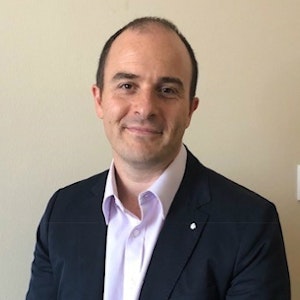
Programme Director
Dr Ramsey Sabit, BSc (Hons), MBBCh (Hons), FRCP (UK), Dip MedEd
- Consultant Respiratory physician in Cardiff for 9 years
- Appointed COPD lead for the All Wales Respiratory Health Improvement...

Tutor
Dr. Mujammil Irfan
Dr Irfan has over 20 years of clinical experience spread across two continents including the UK, Denmark, Italy, Ireland and India. He is a published author of...
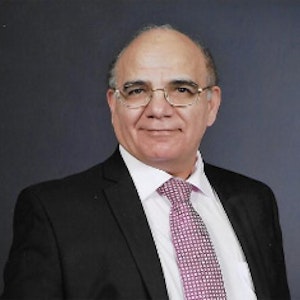
Tutor
Dr. Nabil A Jarad PhD (Imperial College), FRCP (UK) Consultant General and Respiratory Physician
- Consultant Respiratory Physician with sub-specialty expertise in Interventional Pulmonology, Interstitial Lung Disease and Lung Cancer.
- Post...

Tutor
Shahzaib Saleem M.D, MRCP UK, MRCP Edinburgh, PG Dip Respiratory Medicine, MSc Respiratory Medicine
- Working in a private clinic with multiple specialities, since 2020.
- Prior to that, I was living...
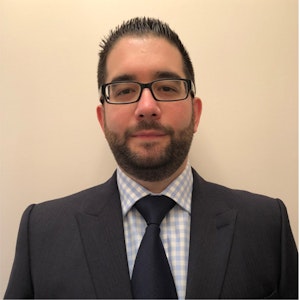
Tutor
Dr Craig Batista PhD in COPD
Held different educational roles within a variety of organisations, including King’s College London, Imperial College London, the University of Buckingham and Cardiff University.
- Undergraduate...

Tutor
Dr Sunil Dasari MBBS, MD,FCAI, FFPMRCA, EDPM, PG Certificate
Current role: Consultant, Anaesthesia and Pain Medicine,University Hospital of Wales Cardiff
- Interventional pain specialist experienced in interventional pain procedures and medical...
Accreditors, Endorsers & Partners
University of South Wales
ELCAS - Enhanced Learning Credits Administration Services
Royal College of Physicians
Frequently Asked Questions
For a full list of our FAQs visit our FAQs page.
As each Medical Council has their own rules/regulations with regard to Postgraduate study we recommend that you contact your local Medical Council with regard to recognition.
Upon completion of the course the University would invite you to a graduation ceremony and provide your certificate which makes no reference to the fact that the course was studied online and is therefore typically recognised the same as any other UK University qualification.
Rest assured, the overall Postgraduate Diploma carries a total of 1,200 CPD points, with the MSc an additional 600 CPD points, and all official certifications are issued directly by the University.
When you study one of our programmes you may be surprised to find that there are no lectures or seminars. Your learning will be self-directed meaning that rather than being told information you find it for yourself (with tutor guidance and support). We do this via a series of clinically rich scenarios which your tutor will post on our academic forum which you and your classmates will research, respond to and discuss.
You will be assessed through the Academic Forum, Reflective Journal and Assignments. Learning will be carried out using our online learning platform: Moodle.
You can study whenever and wherever you want - our programmes are totally flexible to fit around your other work and life commitments.
The course is specifically designed so that part of your study is the application of theory to practice in your day job.
We typically suggest that students aim to log into the Moodle platform daily. We recommend a "little and often" approach for reading, reflection and/or posting. High achieving students will typically spend 1-2 hours dedicated to their studies a day; 10 hours per week is sufficient time to spend on the platform.
Those who cannot dedicate more time than once/twice per week may struggle with the demands of this postgraduate programme.
Yes, everything is done entirely online through our learning platform, Moodle. You do not need to attend the University.
All of our courses are delivered in English, so proficiency in the English language is essential for success. If English is not your first language, we require proof of competency as part of your application. We accept the following as proof of English Language skills:
We Accept a Range of English Language Qualifications
While IELTS and TOEFL are among the most commonly used English tests, we understand that students come from diverse backgrounds — and we’re happy to work with you to accept a wide range of other recognised English language qualifications.
We accept IELTS (International English Language Testing System)
Our most commonly accepted test, IELTS is globally recognised and widely used for university admissions.
We accept TOEFL (Test of English as a Foreign Language)
Another widely accepted test, TOEFL assesses your reading, writing, listening, and speaking skills in an academic setting.
We accept English Medium of Instruction (EMI) Letters
Many of our international students provide an EMI (English Medium Instruction) letter from their previous institution. This letter should confirm that you were taught in the medium of English. It is a popular and widely accepted form of proof, especially if you have completed prior academic studies in English.
Our University partners Requirements
The University of South Wales accepts an overall score of 6.0 (minimum of 5.5 for each band) and The University of Buckingham accepts an overall score of 6.5 (minimum of 6.0 for each band).
Our Flexible Instalment Plan is designed to offer ultimate flexibility to pay for your programme. You have the choice of two payment options:
Make an Upfront Payment in Full: For those who prefer to settle their fees upfront, you can pay the full amount at the beginning of your programme.
Interest-Free Payments: Alternatively, you can choose to spread your payments out with interest-free instalments every month for the duration of your course.
These options are separate from our existing lending partners, which you can explore further on our programme pages. We believe that education should be accessible to all, and our Flexible Instalment Plan is just one of the ways we are committed to supporting you in your academic journey.
We currently offer two discounts: the Early Bird Discount and the Action Taker Discount. The Early Bird discount allows you to save up to £500 or more, available only to self-funders and is a limited-time offer that runs for the entirety of November for the March cohort or the entirety of May for the September cohort. Our Action Taker Discount allows you to save up to £150 off for PGCert and £250 off for PGDip/2-year MSc programmes. To qualify for Action Takers, you must pay the deposit within 7 days of acceptance.
For Early Bird Discounts, the discount is visible if your application and acceptance are completed within the required timeframe. For Action Taker Discounts, it will reflect once conditions are met.
A Postgraduate Diploma in Respiratory Medicine is a 120-credit postgraduate qualification focused on developing advanced knowledge across respiratory assessment, investigations, and disease management. Learna’s PGDip is studied online and part-time over one year and comprises six modules covering common and complex respiratory conditions.
The programme covers asthma and allergy, COPD, lung cancer and pleural disease, respiratory infections, interstitial lung disease, pulmonary vascular disease, respiratory failure, and environmental and occupational respiratory conditions. You’ll also study respiratory symptoms, assessment, and investigations including spirometry and lung function testing.
Yes. You’ll examine asthma and difficult asthma, including investigation, allergy and anaphylaxis, pharmacological and non-pharmacological management, associated conditions, and approaches to managing more complex asthma presentations.
Who can study this Postgraduate Diploma in Respiratory Medicine?
The Postgraduate Diploma in Respiratory Medicine is relevant to healthcare professionals who want to develop their knowledge of respiratory disease, assessment, investigations, and evidence-based management. Its coverage of respiratory medicine across both primary and secondary care makes it relevant to professionals working with people affected by respiratory conditions in a range of healthcare settings.
The programme may be relevant to:
- GPs and primary care doctors
- Hospital doctors and doctors in training
- Respiratory nurses and other nurses working with respiratory conditions
- Pharmacists
- Allied health professionals involved in respiratory care
- International healthcare professionals
For GPs and primary care doctors, the programme provides postgraduate study across common respiratory presentations, assessment, investigations, and the management of conditions including asthma, COPD, and respiratory infections. Hospital doctors and doctors in training can develop broader knowledge across areas including thoracic oncology, pleural disease, interstitial lung disease, pulmonary vascular disease, and respiratory failure.
For nurses, pharmacists, and allied health professionals, the curriculum provides opportunities to develop evidence-based respiratory knowledge relevant to areas such as long-term condition management, medicines, rehabilitation, patient education, and multidisciplinary respiratory care, where these are relevant to your existing professional role.
The programme supports postgraduate academic development in respiratory medicine and does not itself confer specialist respiratory registration or expand an individual’s professional scope. Eligibility remains subject to the programme’s published entry requirements.
Assessment Methods
This programme emphasises learning through active participation in case-based discussions, reflection, and real-life scenarios. Students engage with clinical cases that mirror everyday practice, fostering problem-solving and evidence-based application from the very beginning.
Across the modules, assessments are integrated with learning. Each week, you will work through two to three clinical cases, discussing and reflecting on them with peers under the guidance of an expert tutor. These discussions form the core of your learning and are also the basis for your assessments.
Our innovative teaching methods are designed to help you translate this learning into real-world clinical practice. You'll need to regularly log in to participate in discussions, ideally on a daily basis, and commit approximately two hours per day to your studies. Our dedicated Student Support Team is available to assist with any challenges you may encounter, from navigating our online platform to managing deadlines.
How Foundational Knowledge is Developed
The programme is structured so that foundational knowledge is introduced through carefully designed clinical cases. Each case is crafted to highlight essential concepts and progressively deepen your understanding as you apply critical thinking and evidence-based analysis. This hands-on approach ensures that you are not only acquiring theoretical knowledge but also learning how to apply it in a practical, clinical setting.
This programme is suited for professionals who thrive in an online, discussion-based learning environment. Please note that this course focuses on interactive, applied learning through peer collaboration and case discussions. You will be fully supported, encouraged and led through the programme to success and graduation!
- Every week students are presented with two/three clinical case-based scenarios that are reflective of every day clinical practice and research.
- Tutors will post a number of questions and prompts to aid students in a formal discussion of each case.
- These discussions are facilitated throughout by your tutor and are then assessed at the end of every module.
The reflective journal is used by students throughout each module to monitor personal progress. This is guided by weekly feedback from your tutor and is graded at the end of every module. The journal typically includes the following:
- Initial expectations and reasons for taking the course.
- Module and/or personal learning objectives.
- Description of events, issues and learning points within current personal practice.
- Change in every day practice due to knowledge gained on each module.
- A description of what has been learned during the module.
For this assessment, students will work on a group assignment and/or an individual assignment.
- Group assignments are designed to hone skills in the multidisciplinary, holistic approach to modern treatments and patient management by requiring group participation in a single piece of work.
- Individual assignments are designed to hone skills in academic career progression through such tasks as reviewing papers, developing scientific posters or abstracts, peer-reviewing, social media activities, patient information leaflets and essays.
- Students are provided with case-based problems in the form of a one-hour timed examination.
- The exam consists of 30 'Single Best Answer' questions.
- Students are required to complete the exam online within the set time.